New creative talent, backing women's football
Published:
3 June 2026
Written by

Tom Morgan
Head of Strategy | Partner and Owner
Football, for us, is culture before it is a fixture. A platform of creativity for the beautiful game; from NFF to Rosenborg in the Eliteserien and Toppserien, down to the grassroots, we call it Playing Above The Game.
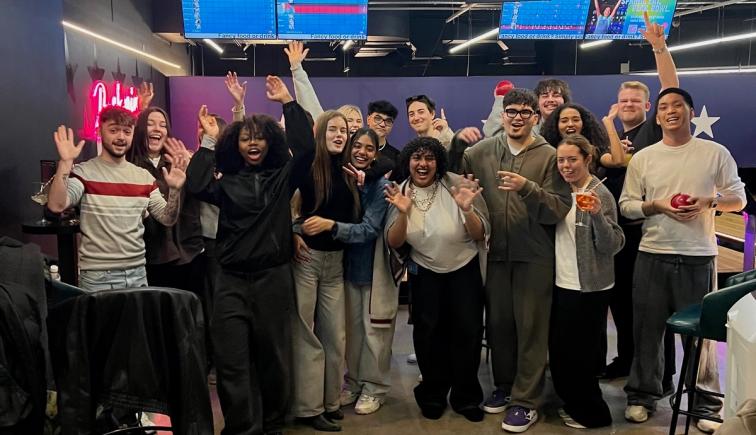
Nonspace x Norges Fotballforbund / Ravensbourne University London + Høgskulen i Volda
The brief: Increase support for women's football in Norway
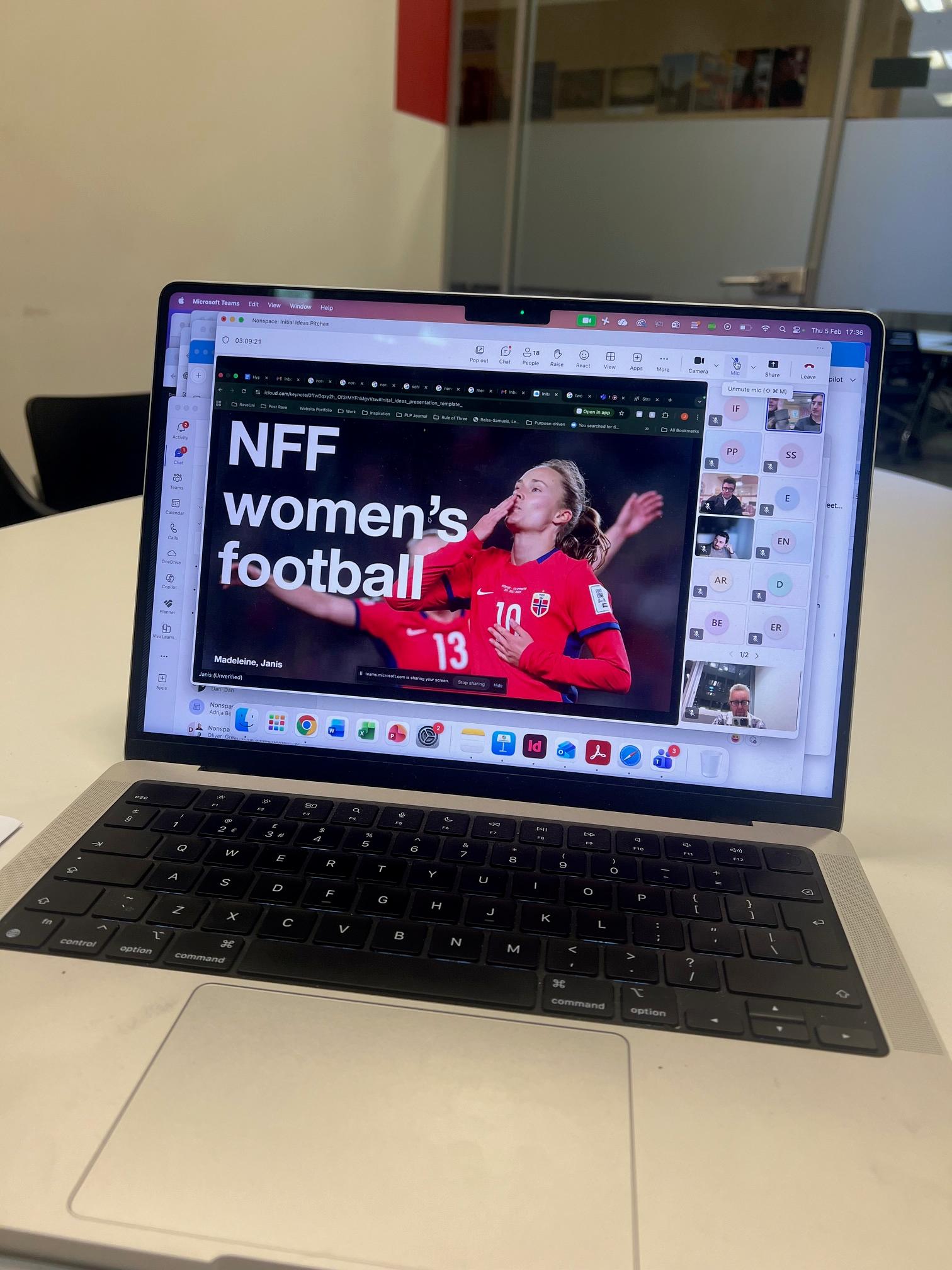
Grassroots is the lifeblood of sport as it is for the creative sector. Combining these two, together with NFF, set a brief 'Increase support for women's football in Norway', and put it in front of 80 young creatives in London & Norway. Here is where they took us…
A big brief
Stephen Lloyd, Associate Senior Lecturer on BA Advertising & Brand Design at Ravensbourne, called it "possibly one of the toughest we've ever had." Tight constraints, an unfamiliar subject, in the very familiar, a real client at the end of it. What came back, in his words, was "a dynamic and thought provoking project" powered by "a determination from the students."
For NFF, the project has been an opportunity to support emerging talent and make open space for creativity for the women's and girls' game:
Quotes
The range alone makes the point. Somewhere between anime characters and Netflix collaborations, the teams came at the women's game from a dozen directions, unpacked some human truths behind it, and sharpened their thinking into ideas they could defend in a room. We cannot show every team here, so what follows is a selection of where they took it.
Ravensbourne, London: start with the idea
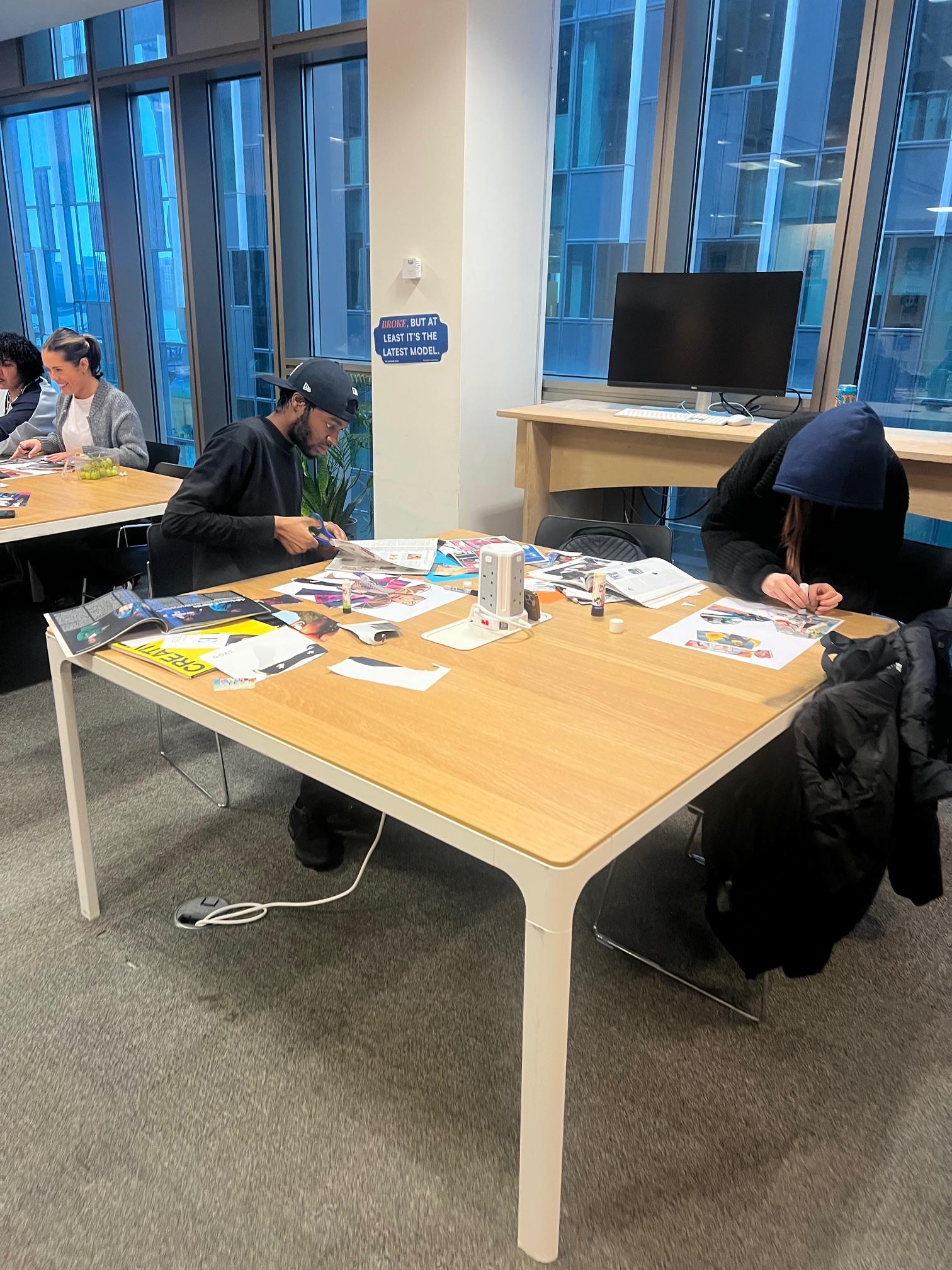
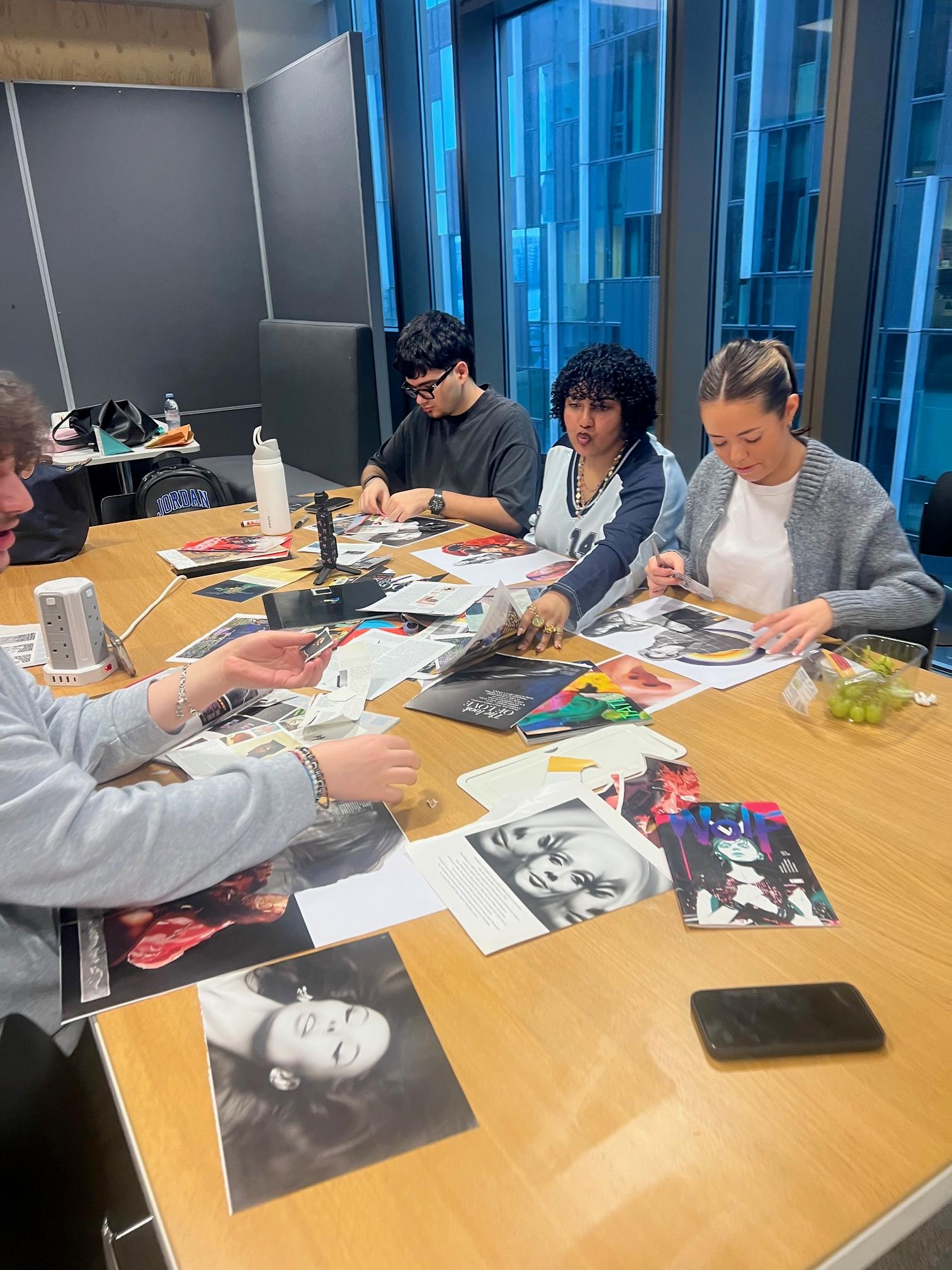
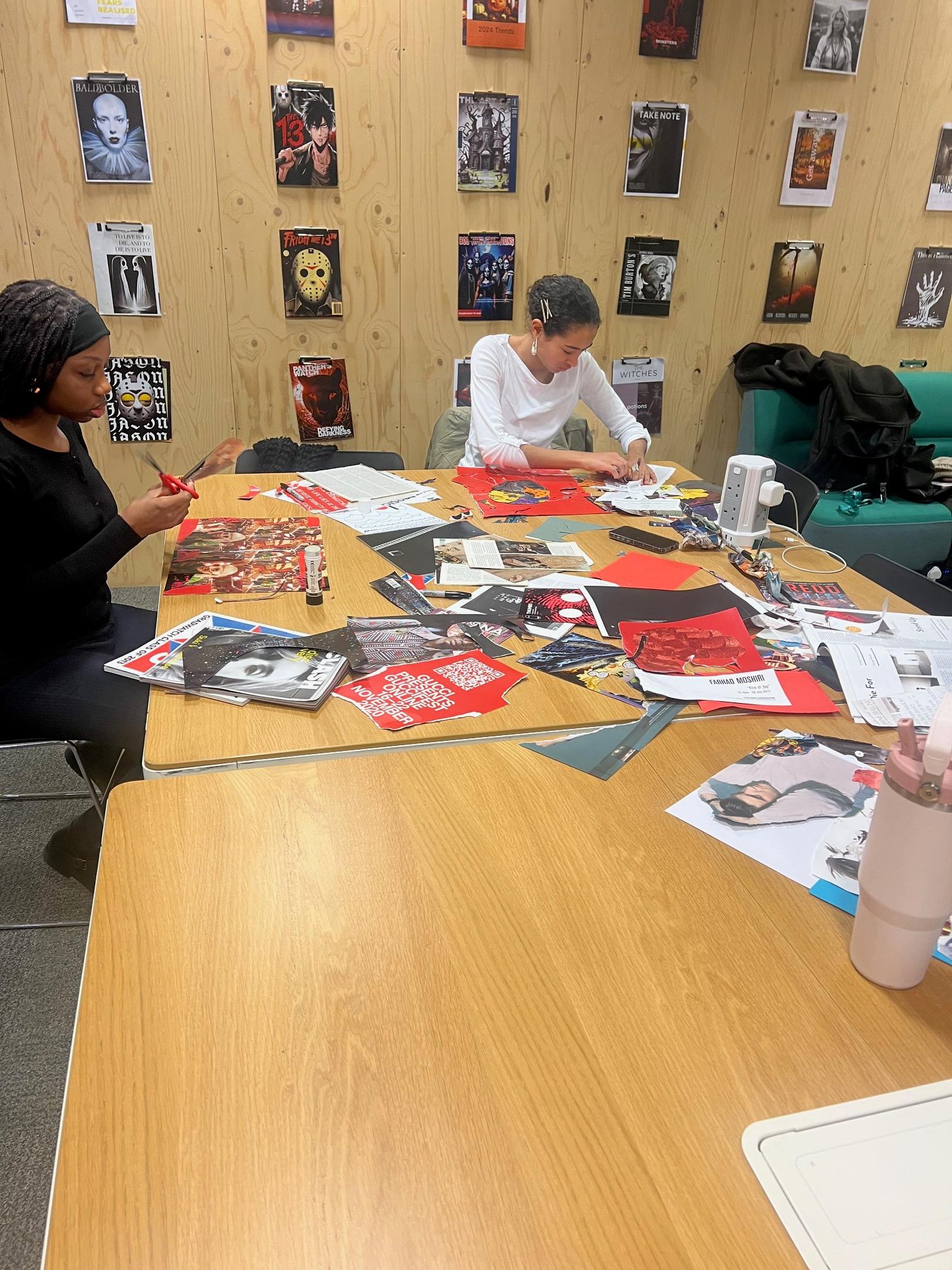
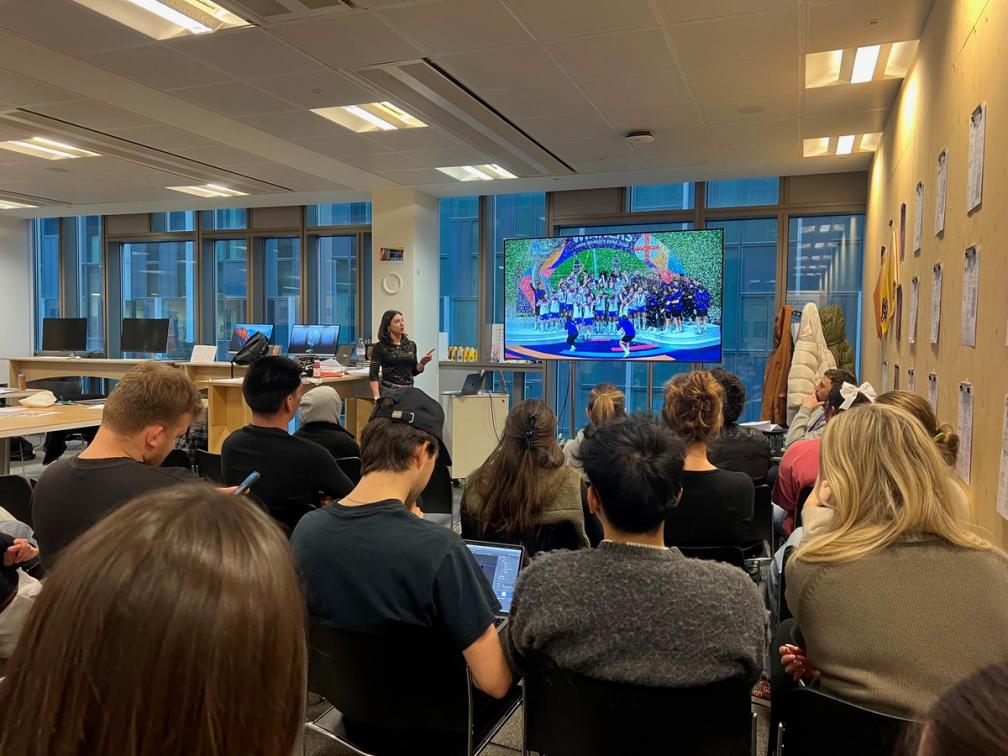
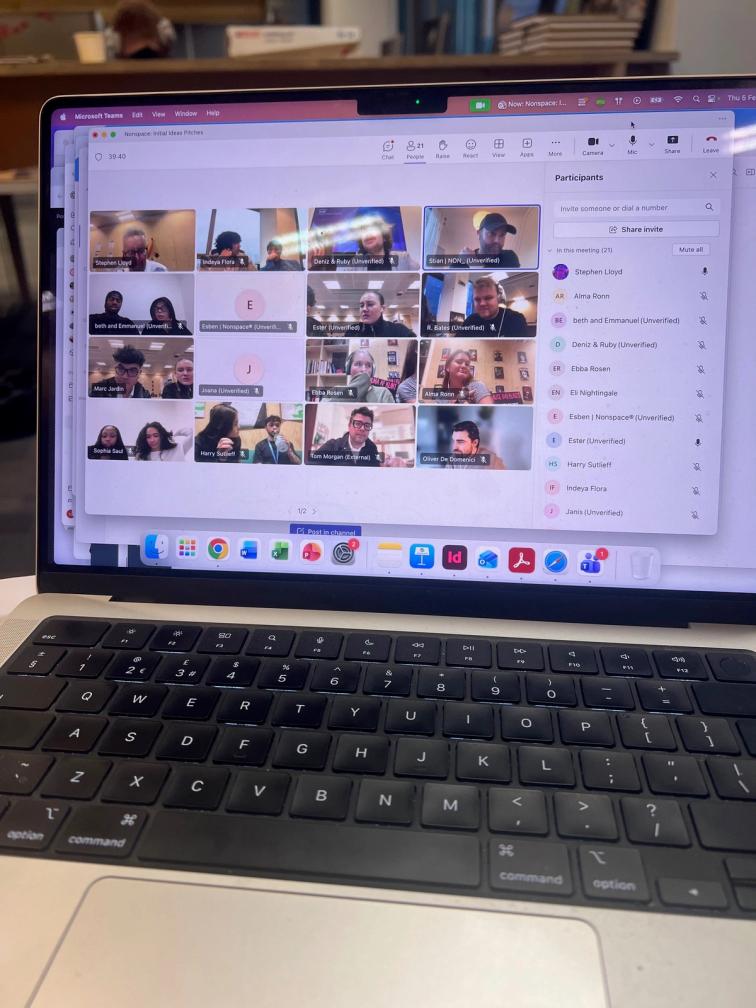
Carnivals. Family days. A detour through Norwegian mythology. The London teams gave themselves room to explore before narrowing down, and each pair came out with something unmistakably their own.

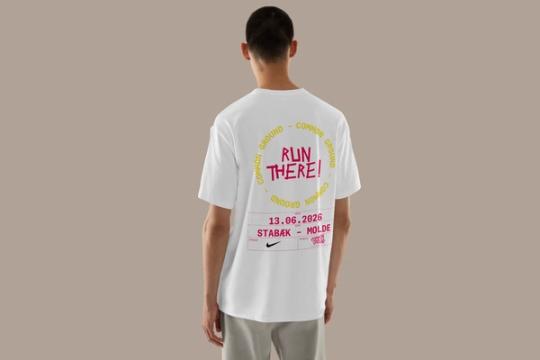


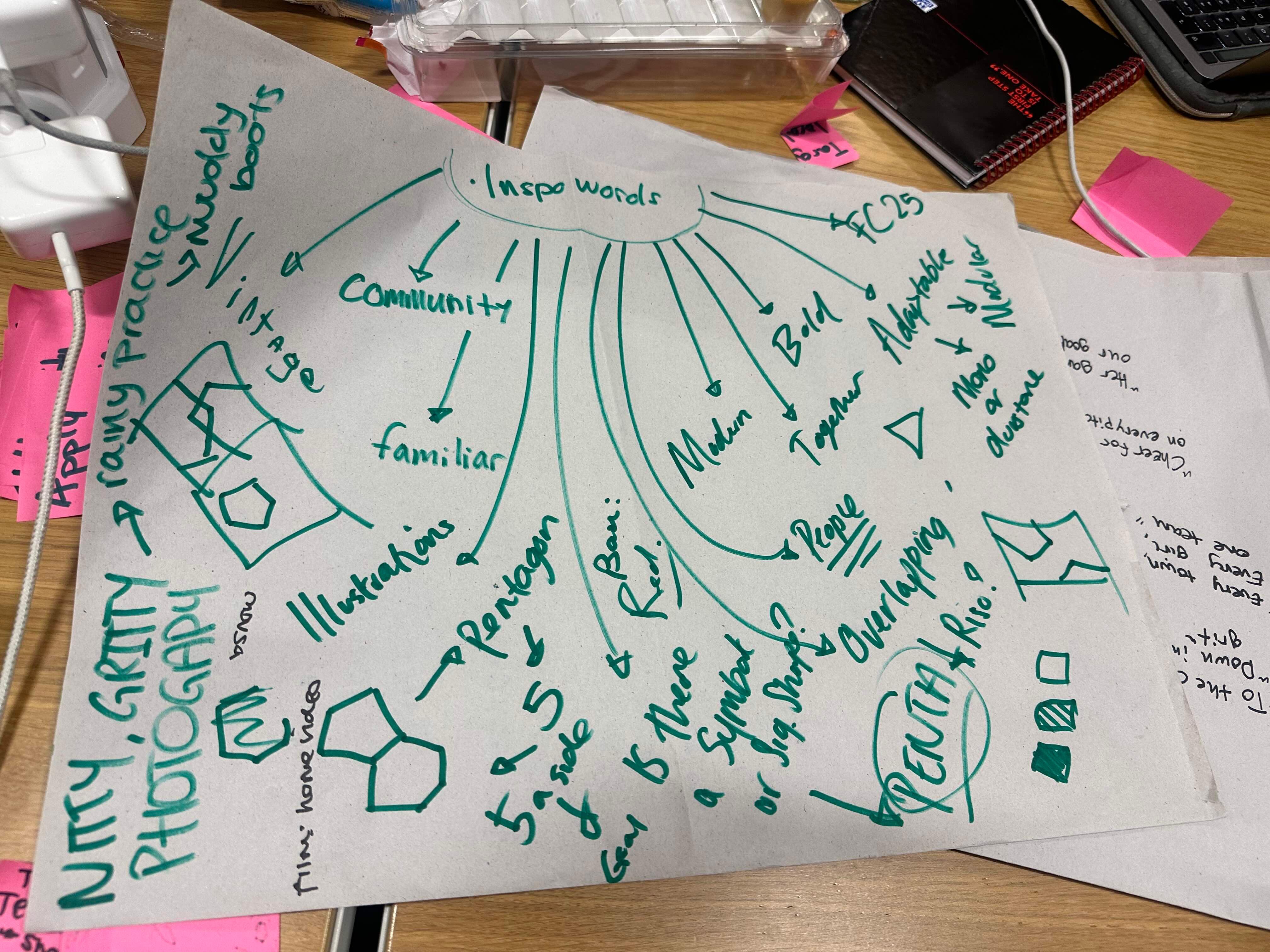
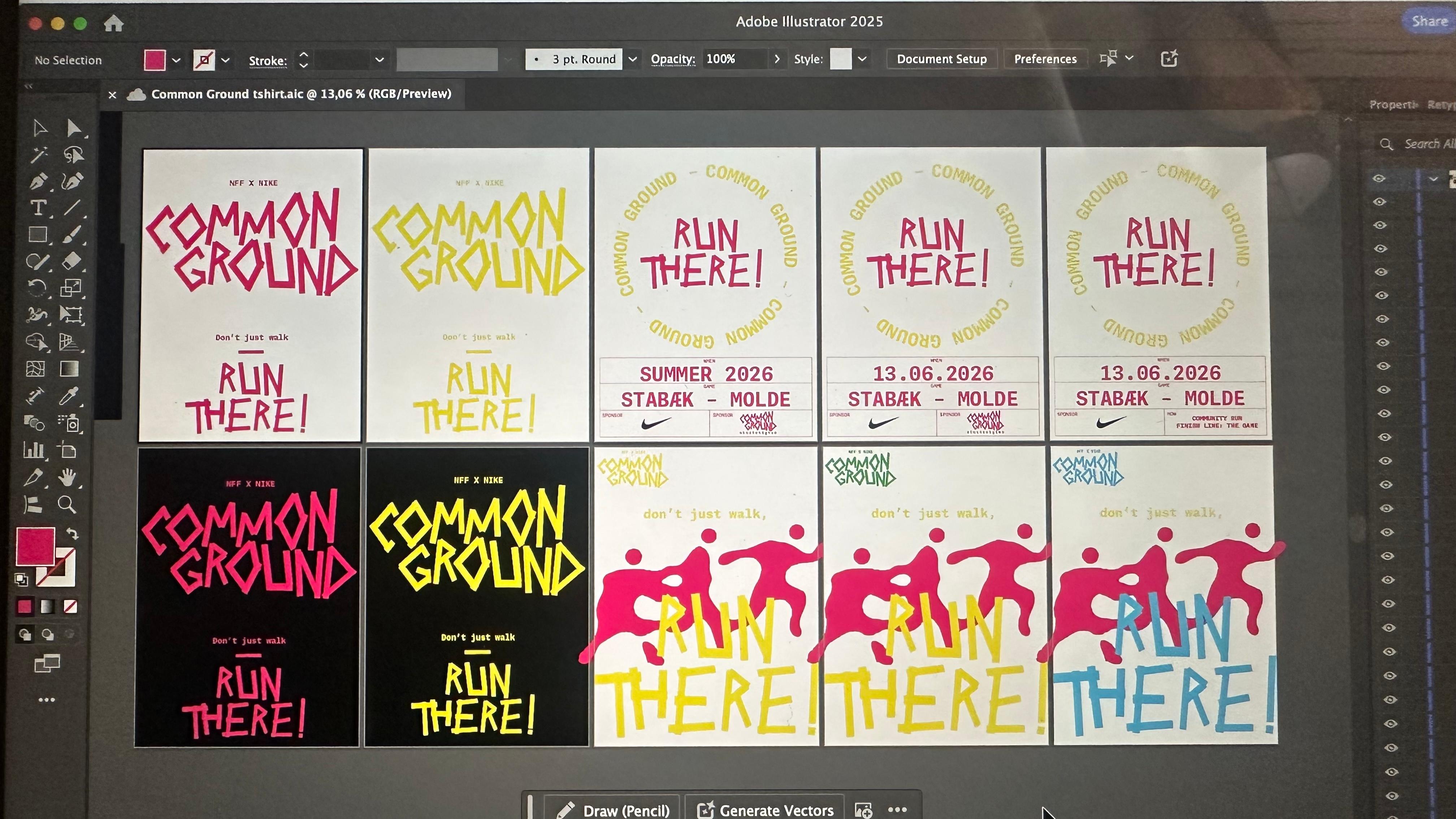
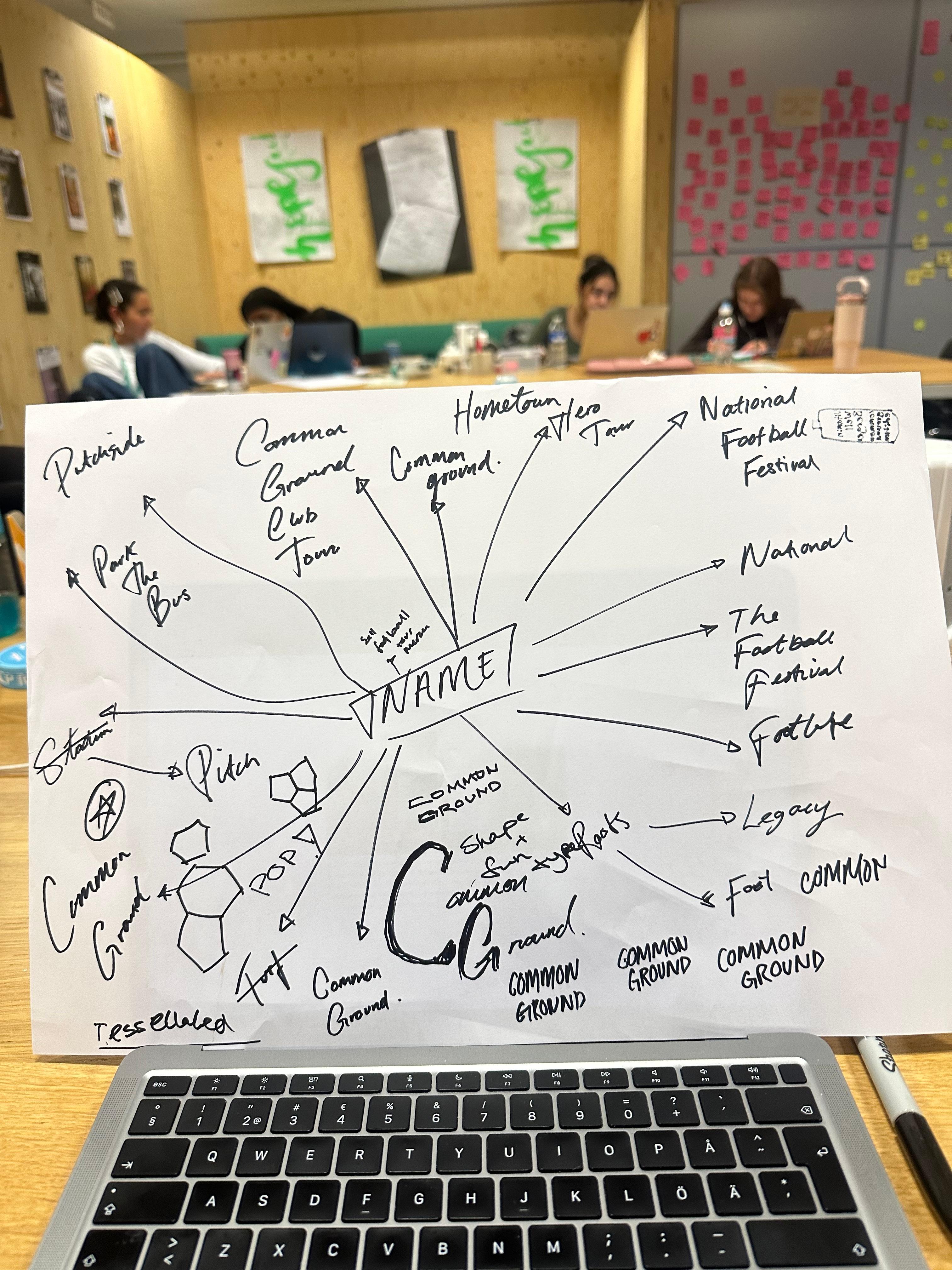
It took Ester Lindsjöö and Marc Jardin time to find theirs. "At first, we had a hard time actually nailing down our idea," they admit. "We went through ideas like a carnival, family days and even drawing inspiration from Norwegian mythology." What they kept was braver than any of it: loneliness. Common Ground turns a run club into a road to the women's football, community first, the match as the reward. "We were able to bring the best out of each other," they say, "sparking the motivation to keep exploring our abilities."
Phoebe Smith and Rob Bates went the other way entirely, straight at the numbers. "Our approach centred on data," they explain, digging through performance stats and fitness metrics until they found a crowd hiding in plain sight: people who train hard and have never once thought of themselves as fans. Built For 90 shows them that "the athleticism on the pitch mirrors the goals people chase in their own training," all "while celebrating what these female athletes achieve on the pitch!"
Viktoriia Symko and Harry Sutlieff looked past the pitch to the stands. They set out to make women's football "a powerful way to unite mothers and daughters," turning a match into a ritual handed from one generation to the next. Many experiments, one warm idea.
Sophia Saul and Zela Lasaki made it personal and pointed. "We came up with Vår Bane because it reflects our background and culture," they say. "Our target audience is young black girls, and we want to show them that there is space for them in football too." Black female footballers, front and centre, the pitch theirs to claim. "Bringing a social issue into this project really brought it to life," they say, "and we can see it going further!"
Volda, Norway: start with the evidence
At Volda University College, the students started deep, diving into research.
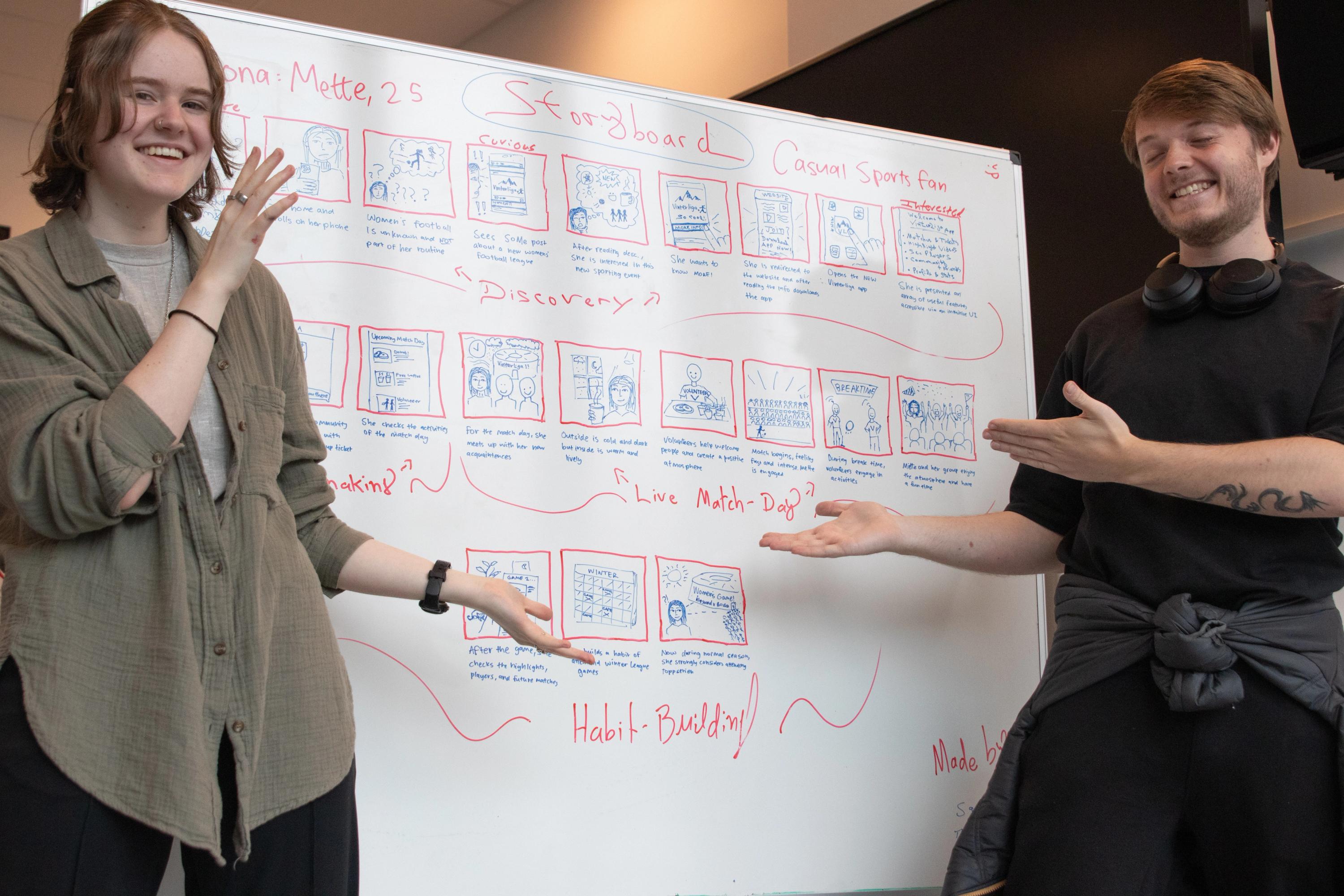
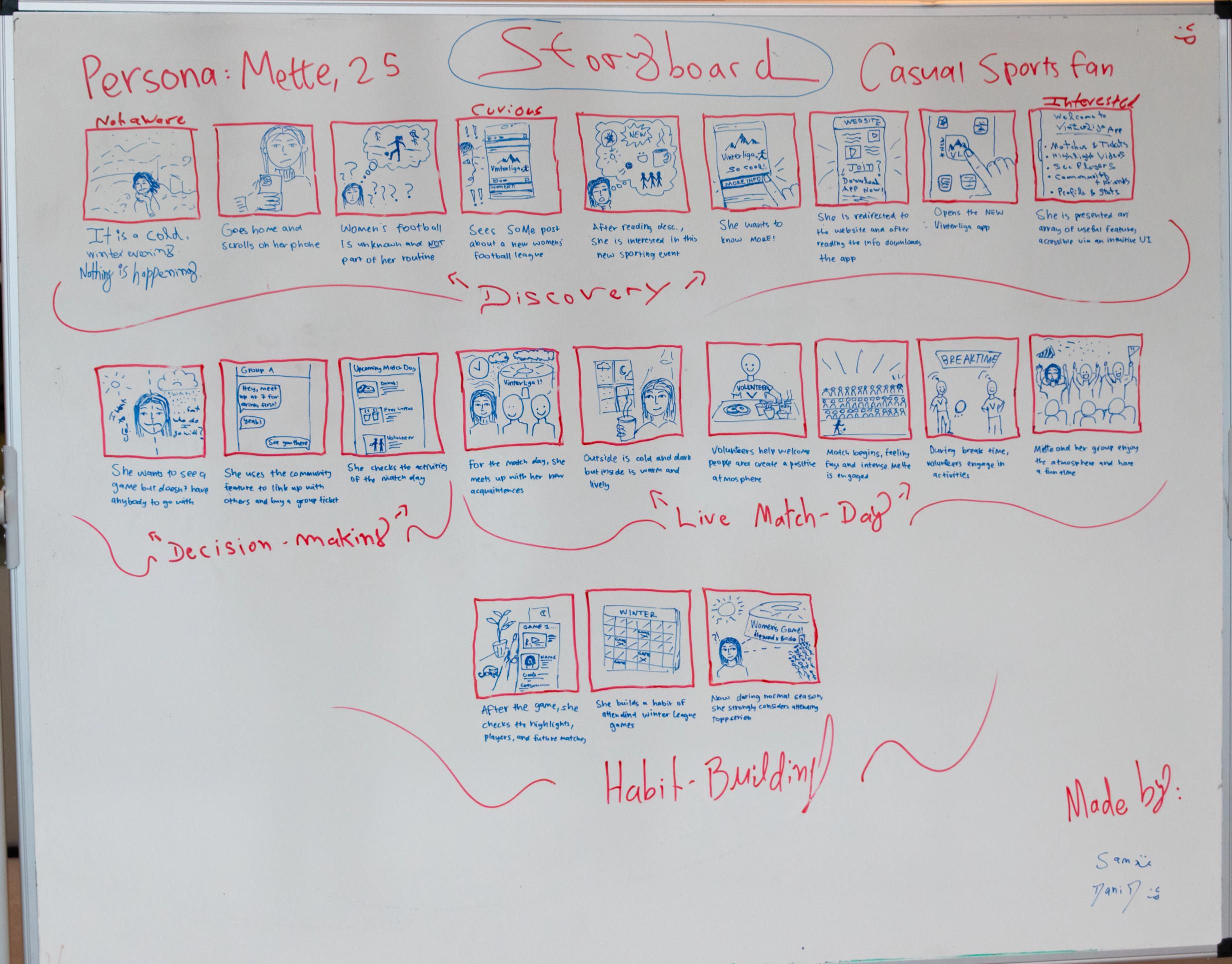
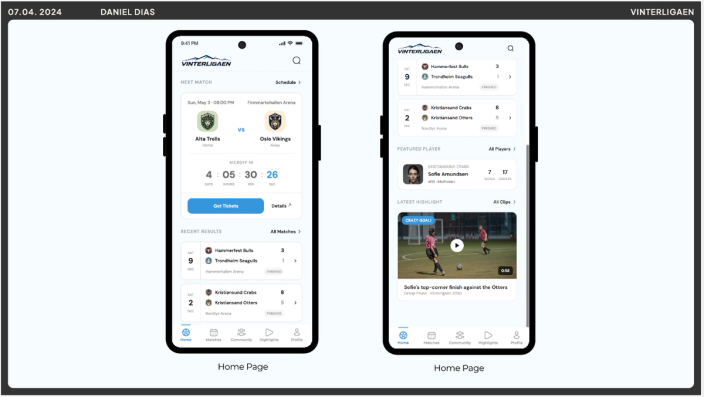
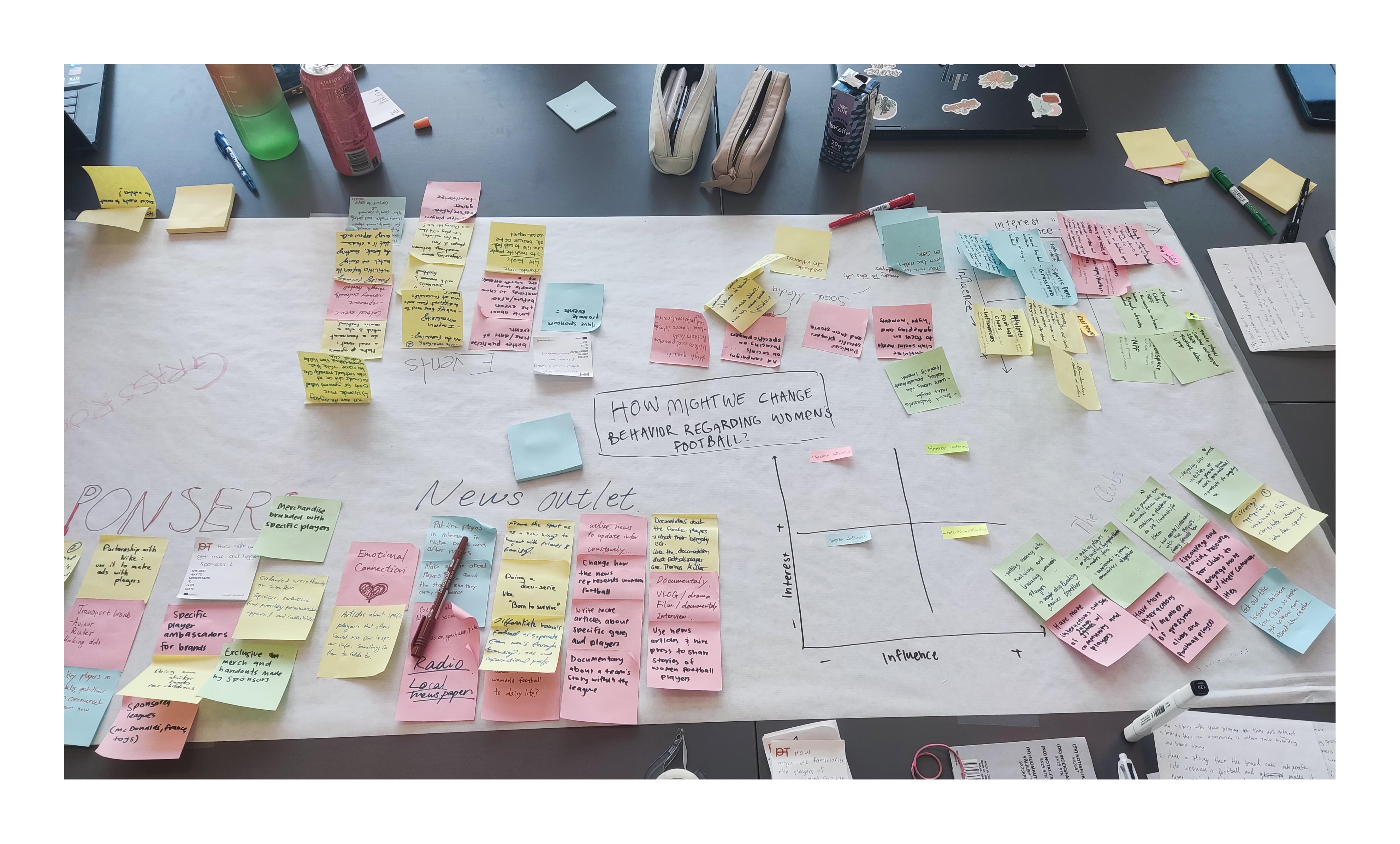
Kaia Marie Vattøy had a fresh start. "The case we were given was about women's football, a topic outside my area of interest," she says. Then she went deep, through surveys, interviews and stakeholder mapping, and the numbers stopped her. 41% say women's football "is not a habit". 59% would go if their friends were going.
Her conclusion reframes the whole problem: "This is not a marketing problem. It is a cultural infrastructure problem." The answer is not noise, it is patience. "When the audience knows their names, their faces, and their stories, caring becomes natural. This requires patience, not campaigns."
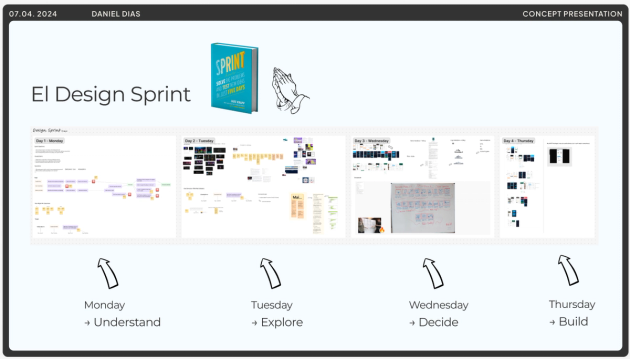
Daniel Dias chased the same question and found his answer in the calendar. "Most people do not reject women's football," he says. "They respect it, but they do not really make space for it in their routines." So he went hunting for space, and found it in winter, when the men's game goes quiet. Vinterligaen fills the gap with a format he calls "shorter, sharper, more social, and easier to return to." Support, he learned, "only becomes meaningful when people are given real reasons to show up."
The takeaway
Over 30 projects, two countries, one brief, and many genuinely different approaches. The guys in London chased the spark, and in Norway found the structure under it, and every team treated the women's game as a world of inspiring value and opportunity in and out of the stadium. That's 'playing above the game', and it is the energy the sport gives.
The ideas are theirs. We handed over the brief, the feedback and the stage, and got out of the way. Watching this much talent come through, in two countries at once, has been epic.
The future is built on what and where we invest; take it from us, creative talent is the best bet!